Listen


 Facebook
 Nextdoor
 X
 WhatsApp
 Email
 Copy link

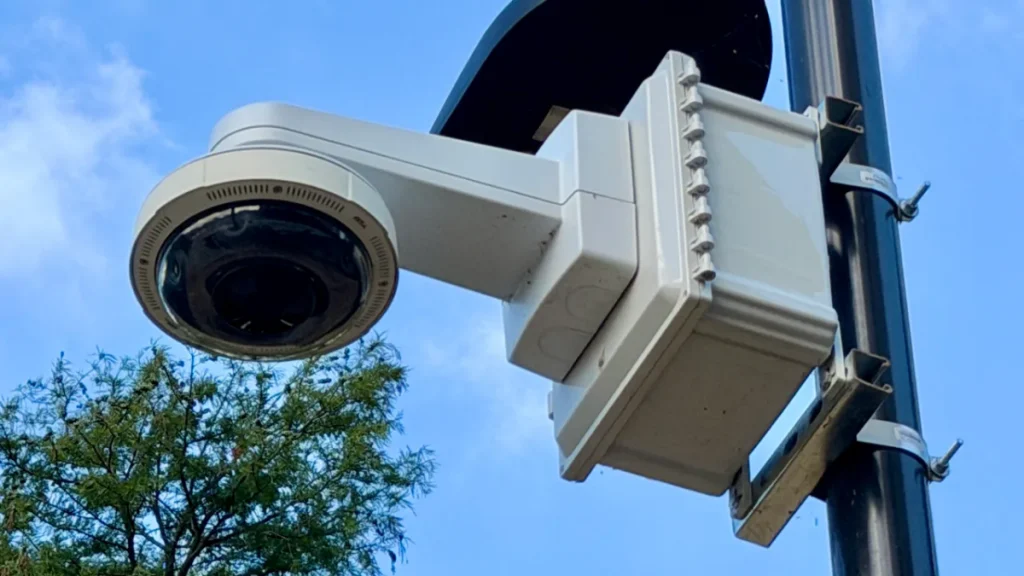
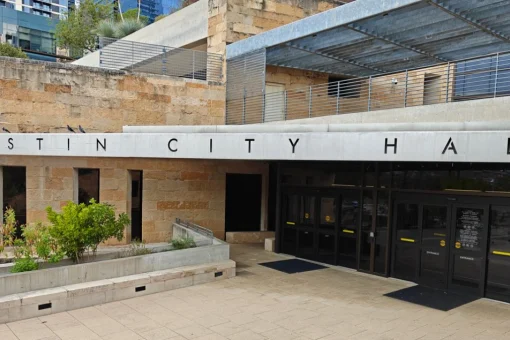
Austin listed 79 surveillance systems and tools across 21 city departments in a memo in early November, KXAN reported. The use extends beyond police, fire, forensics and EMS. Drones are used by five city departments outside public safety and emergency response.
The release came under the Transparent and Responsible Use of Surveillance Technology Act, KXAN reported. The council passed the act in April to regulate city use of surveillance technology. Many cities have moved away from using automated license plate reader cameras, many owned by Flock Safety.
Drones and cameras reach nine more departments
Nine other departments use security and video cameras, KXAN reported. Two other departments use trail, game or cellular monitoring cameras.
Two other departments use thermal or infrared cameras in the city inventory, KXAN reported. Three other departments use video management platforms in the city inventory.
Earlier list lacked specific technology names
The city released a memo in September that listed the number of inventories departments submitted, KXAN reported. That memo did not list which specific technologies departments were using.
The November memo lists the specific technology tools, KXAN reported. It is an update to the council request for a complete list submitted before.
Open source data listed surveillance technologies used now or in the past, KXAN reported. Law enforcement agencies in Travis County used those technologies. The data showed the city uses or has used at least eight types.
The data came from the Atlas of Surveillance, KXAN reported. It is a repository compiled from public records by the University of Nevada and the Electronic Frontier Foundation.
The Electronic Frontier Foundation is a nonprofit that works to protect the rights of users online, KXAN reported. It is not immediately clear if all of the technology in the open source data appears in the latest memo. The memo lists the names of the technologies and does not always say what each technology is or does.
KXAN asked the city about technology from the open source data that was not listed in the memo. The examples included cell site simulators, fusion centers and third party investigative platforms, KXAN reported.
City will review tools for privacy risk
City officials said in the latest memo that the inventory is complete. They will review each technology to decide if it poses a privacy risk.
City officials said a Surveillance Use Policy is required if a tool poses this risk. The risk is “more than a minimal risk to civil liberties and privacy rights.”
The policy will list the tool purpose and use alongside safety precautions, KXAN reported. The act lists what officials must examine when they decide. They must check if it collects or shares sensitive personal information.
They must also check if it creates records tied to particular groups, KXAN reported. They must also check if it can be reverse engineered to identify people.
The questions also asked which listed systems collect biometric data or can identify specific people, KXAN reported. They also covered how long the city keeps footage and data.
They also covered if the systems connect to third party camera networks or databases, KXAN reported. The questions also asked which systems did not originally qualify as surveillance technology before the act was passed. The report will be updated when the city responds.
The September memo said privacy impact statements will be released near the end of December or in early January.